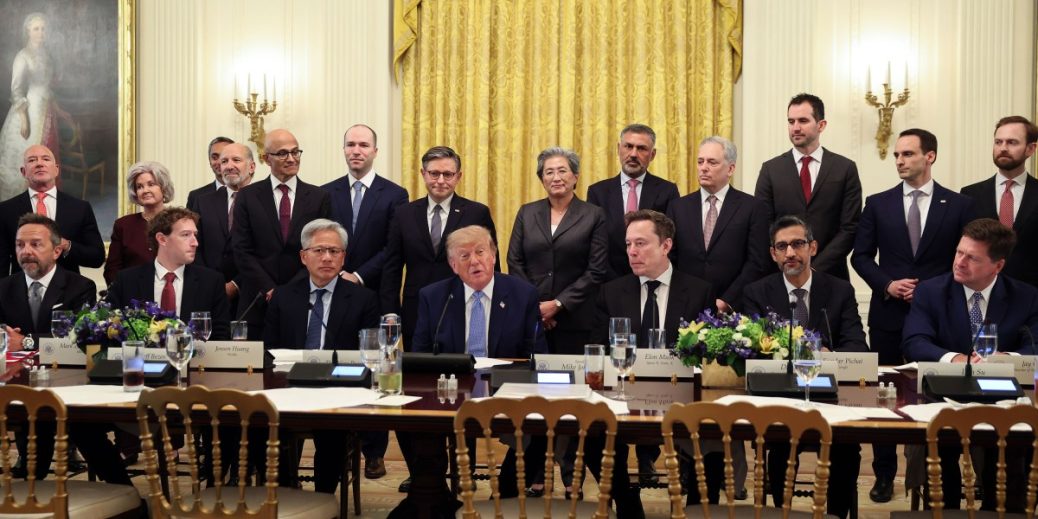
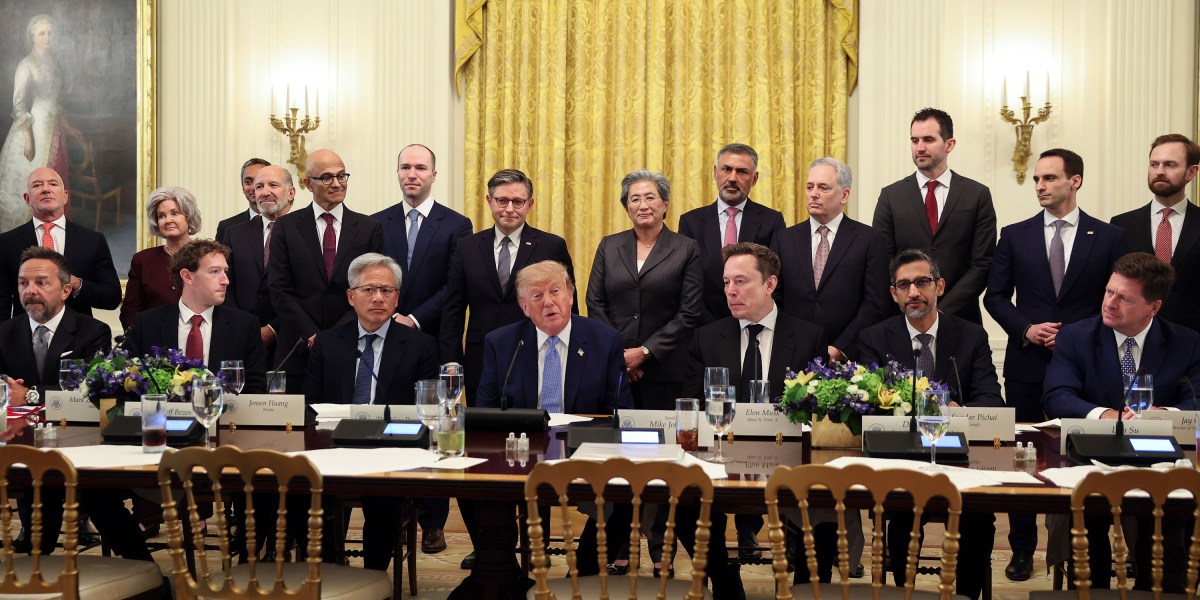
The self-styled visionaries of Silicon Valley have built careers claiming to see the future. Yet five weeks before the midterms, many gathered at the White House to pose with Trump and endorse his “Super Intelligence” agenda, despite growing opposition to AI and data centers.
Their decision to lash themselves to President Trump was a catastrophic misreading of the political landscape. Now, not only have they jeopardized their companies’ fates, but they’ve also raised questions about their vision and judgment.
Here’s why Silicon Valley’s tech leaders may be less visionary than they think.
Nvidia privately confirmed it could track chips to fight smuggling, even as industry publicly questioned feasibility
Nvidia representatives told Illinois representative Bill Foster that it was possible to implement the anti-smuggling measures called for in the Chip Security Act, Foster told MIT Technology Review on Thursday, despite an industry group claiming they were “potentially infeasible.”
Foster, a Democrat who serves on the Committee on Science, Space, and Technology, is a cosponsor of the act, which would introduce geotracking requirements to verify the location of advanced AI chips and prevent their smuggling to China.
The act is drawing renewed attention following Nvidia CEO Jensen Huang’s resignation and reported affair. Find out what the proposed tracking measures would involve.
—James O’Donnell
More autonomy, fewer NDAs: Volunteers have new requests for brain implant trials
Scientists have been working on ways to decode brain activity for decades. Teams have developed brain implants that can control robotic limbs and computers, and even “speak.”