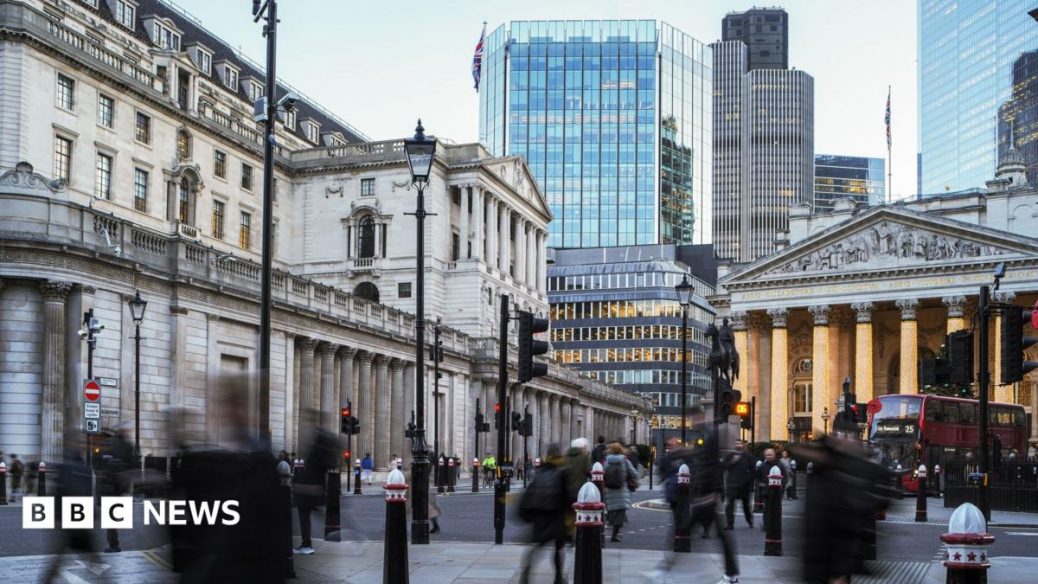
Interest rates have risen for the first time in more than three years and the Bank of England has signalled a further increase is likely unless the US-Iran war is resolved.
Rates rose to 4% from 3.75% in a bid to curb inflation mainly driven by the conflict’s impact on global oil prices.
Andrew Bailey, the Bank’s governor, said the decision “shouldn’t be seen as the first in an inevitable long sequence of hikes”, but warned “unless the conflict in the Middle East is resolved, neither does it seem likely to be the last increase”.
The higher level will increase the cost of borrowing for things such as mortgages, loans and credit cards, but will also lead to higher returns on savings.
The Bank’s rate-setting committee all backed increasing interest rates, with eight out of nine voting in favour of the rise to 4%. One member wanted an even bigger increase to 4.25%.
Bailey said the hike was warranted due to higher energy prices and pointed to what happens in the Middle East as the main factor in future decisions.
“Put simply, it requires real progress towards settling the conflict in the Middle East,” the governor said.
Bailey said he could “see the argument” for a further rate hike, before taking a “more conditional approach” dependent on the path of energy prices and inflation in the coming months.
However, the views of members on the rate-setting committee differed on the path forward.
Clare Lombardelli agreed there was “likely to be a case for a further increase in rates in the near term”, while Megan Greene went further, suggesting “additional hikes” might be likely depending on how inflation impacted wages, prices and the jobs market.
However, Alan Taylor said the rate rise was a “a risk-management ‘one-for-now’ insurance hike”.