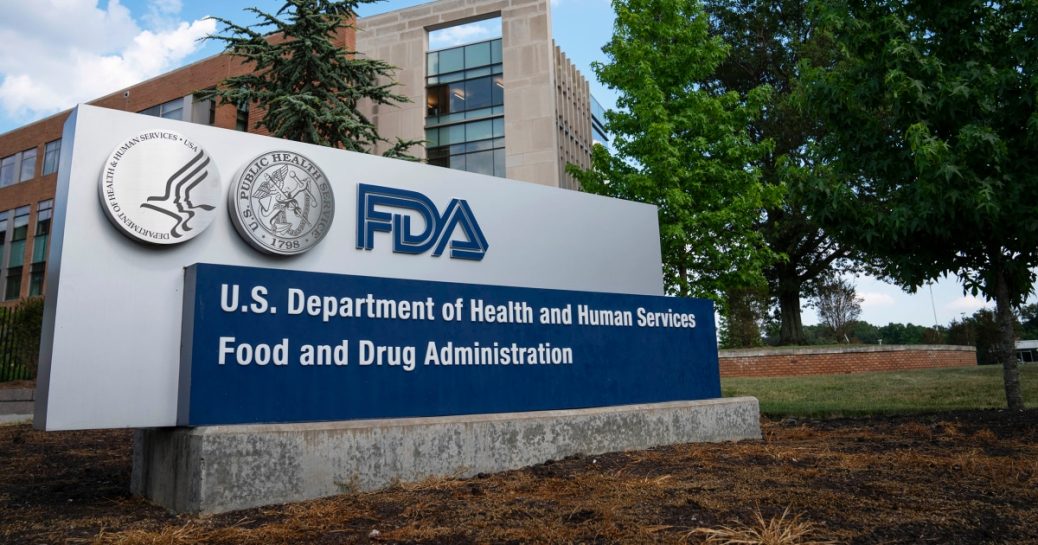
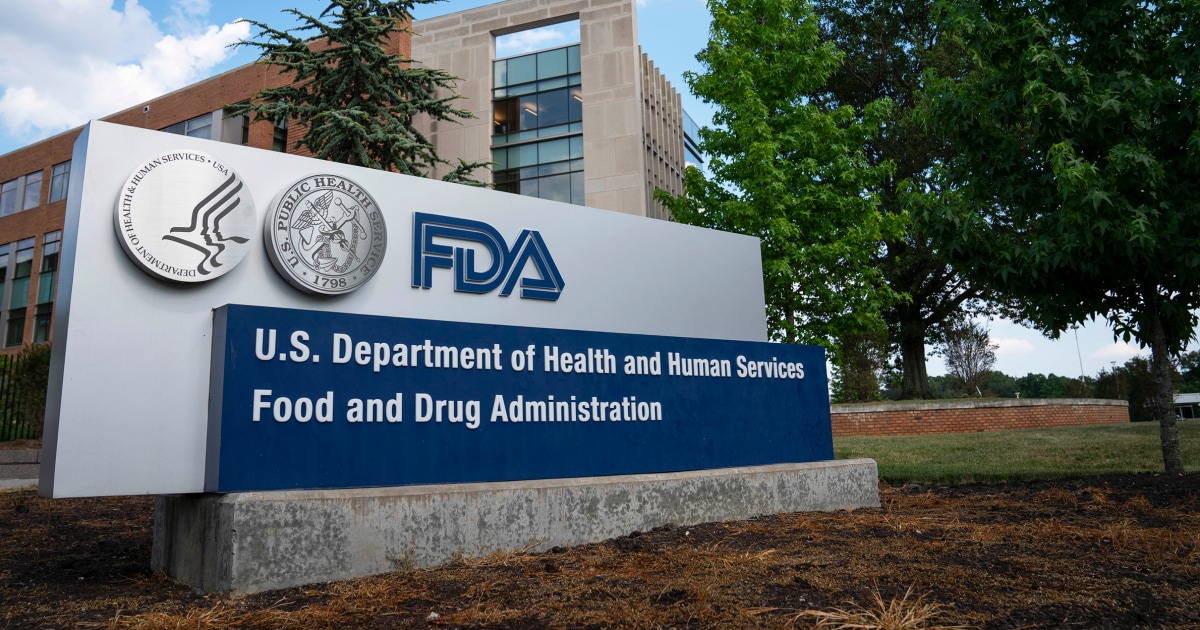
The Food and Drug Administration said Monday that GLP-1 drugmakers must add a warning label about a rare eye condition that can cause sudden blindness.
The condition, called nonarteritic anterior ischemic optic neuropathy, or NAION, affects the optic nerve, which carries signals from the eye to the brain. When blood flow to the nerve is reduced or blocked, it can cause sudden vision loss. The condition is permanent with no known treatment.
The FDA said “there is a potential increased risk of rare NAION” in people taking GLP-1 drugs.
The agency’s requirement applies to all GLP-1s, including Novo Nordisk’s Ozempic and Wegovy and Eli Lilly’s Mounjaro and Zepbound, as well as several older GLP-1 diabetes medications.
Spokespeople for both Novo Nordisk and Eli Lilly said patient safety is their top priority.
Previous research has found that GLP-1 use may increase the risk of NAION, and Lilly has said it was aware of studies on the potential link.
The FDA said it began looking into a possible link after a 2024 study published in JAMA Ophthalmology that found diabetes patients prescribed semaglutide were four times as likely to develop NAION as those not prescribed the drug.
The agency said it reviewed reports of side effects submitted to its adverse event monitoring system and analyzed data from multiple clinical trials. Cases of NAION have been reported for all currently marketed GLP-1 drugs, the FDA found. However, FDA scientists were not able to identify a mechanism for how the drugs could increase the risk of the eye condition.
Risk factors for NAION can overlap with conditions seen in people taking GLP-1 drugs, including Type 2 diabetes, sleep apnea and hypertension.
NAION is the second most common optic nerve disease in the U.S., occurring in up to 10 out of 100,000 people over age 50, according to the American Academy of Ophthalmology.
“Patients and caregivers should be aware of a potential increased risk of NAION, a rare condition that can result in acute, painless, decreased vision in one eye, including permanent vision loss,” with GLP-1 use, the FDA said in the release.
The drug labels from Novo Nordisk and Lilly also carry other warnings, including for pancreatitis, gallbladder problems and kidney injury.
The labels also carry a black box warning — the FDA’s strongest safety warning — about a possible risk of thyroid tumors.