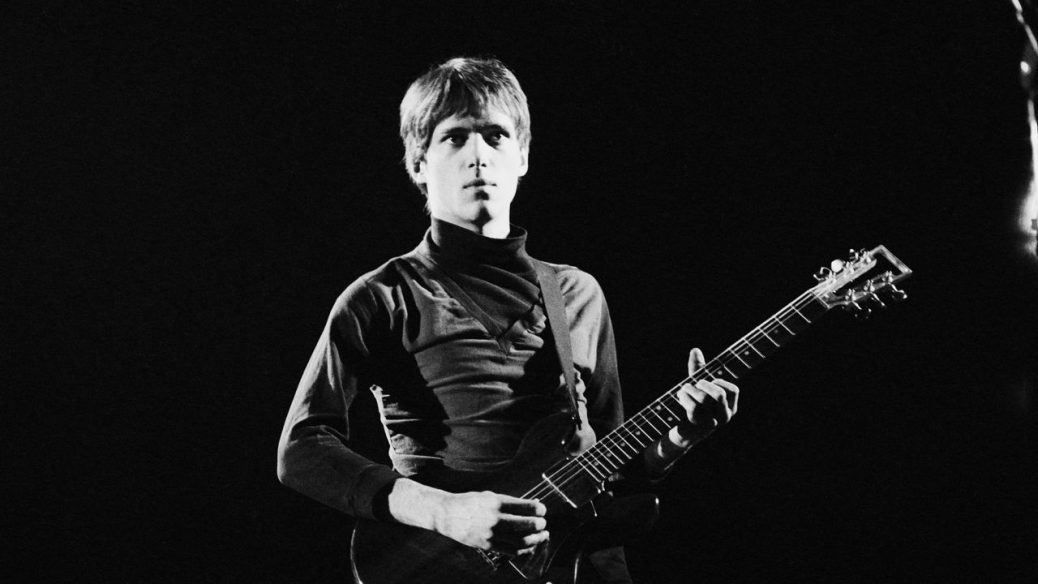
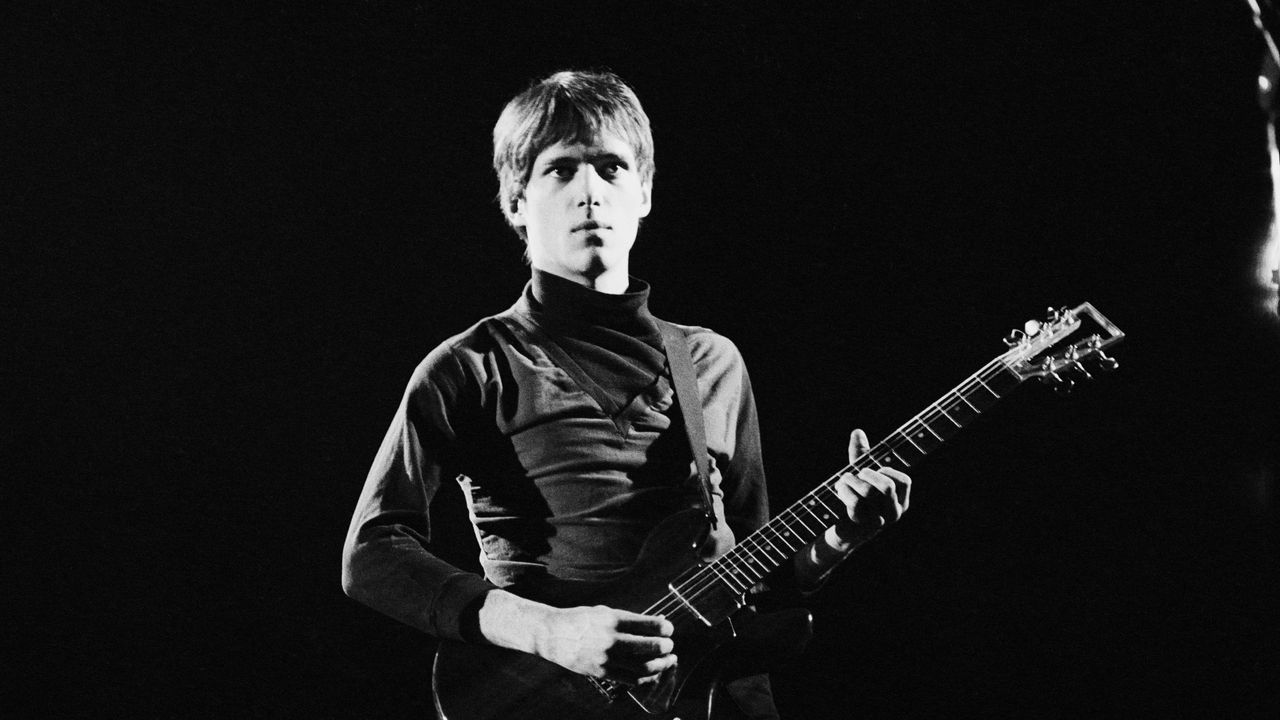
Richard Lloyd, the co-founding guitarist of Television, has died, The New York Times reports. The cause was cholangiocarcinoma, a bile duct cancer, with which he was diagnosed in March. He was 75. In August, a GoFundMe was launched to raise money for Lloyd’s treatment. “His loving wife Sheila and his dog Willie Mays were with him at the end,” his family said in a statement to Rolling Stone.
Television formed in 1973 after Tom Verlaine, Richard Hell, and Billy Ficca ended their first band, the Neon Boys, and recruited Lloyd as a second guitarist. Part of a pioneering first-wave of punk acts, Television built a cult following at New York City mainstays Max’s Kansas City and CBGB. Their influence was massive but the band was short-lived, releasing only two albums—Marquee Moon and Adventure—before dissolving in 1978.
As Chris Dahlen wrote in Pitchfork’s review of Marque Moon and Adventure, “Richard Lloyd chisels notes out hard while Verlaine works with a subtle twang and a trace of space-gazing delirium. They play lines that are stately and chiming, rutting and torrential, the riff, the solo, the rare power chord, and most of all, the power note.”
“We were ahead of the curve,” Llloyd told KEXP in 2017. “Marquee Moon still sells—it’s never been out of print. And it’s still on top records of all time lists, which makes me proud and happy.” Television returned for one final LP, Television, in 1992. Verlaine died in 2023 following a brief illness.
Richard Lloyd was born Richard John Alt in 1951 in Pittsburgh. After his parents split, his mother remarried and moved the family to Greenwich Village. Lloyd began playing the guitar at the age of seven, after spotting one at a cousin’s sleepover. After Television disbanded in the ‘70s, Lloyd went on to have a prolific solo career, releasing nine albums, and contributed guitar to records by Matthew Sweet, Stephan Eicher, and John Doe of X.
“I recognized that the guitar was their magic wand,” Lloyd told Guitar World in January, about his early encounters with Beatles’ records. “They were casting a spell over young people. It’s an impulse that never left me.”