Iceland is one of those destinations that’s just dying for you to rent a car and explore. Of course, you can see Iceland on organized tours, but having your own wheels gives you a completely different experience.
There are waterfalls tumbling off cliffs, black-sand beaches, glaciers, steaming geothermal areas, tiny fishing villages, and viewpoints that seem to appear out of nowhere around every bend.
With a rental car, you can stop when you want, stay longer when you find somewhere you love, pull over for that random waterfall that wasn’t even on your itinerary, and get away from the crowds.
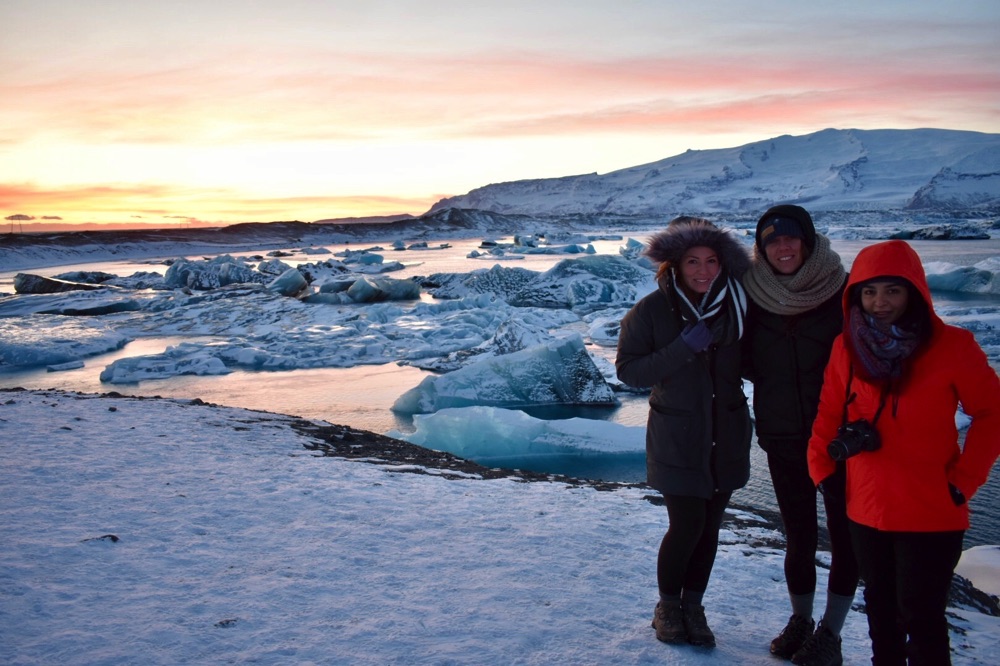
For us, that’s what a road trip is all about!
But driving in Iceland isn’t the same as renting a car somewhere like Spain or Canada.
The weather can change quickly, gravel roads are common, there are some unusual road rules to know about, and as of 2026, there’s also a new kilometer-based road charge to factor into your budget.
Here’s everything you need to know about renting a car and planning a road trip around Iceland.
Why Having a Car Is the Best Way to See Iceland
If you’re planning on seeing much more than the capital of Reykjavík, I really think renting a car in Iceland is the best way to travel around.
The country’s main attractions are spread out, and many of the best stops are surrounded by miles of open countryside.
Public transportation outside Reykjavík is limited compared with much of Europe, so without a rental car, you’ll most likely end up relying on organized tours.
Tours are great if you don’t want to drive, but having your own car gives you so much more freedom.
Want to spend an extra hour walking around a waterfall? You can.
See a herd of Icelandic horses and want to stop for a photo? Pull over.
The weather is terrible in one direction but looks clearer somewhere else? Change your plans.
That’s especially important in Iceland because the weather can have a huge impact on what you do each day.
A car also lets you start early or stay out late, which can be a major advantage during the busy summer months when places like the Golden Circle and South Coast can get crowded.
How Much Does It Cost to Rent a Car in Iceland?
Car rental prices vary depending on the season, how early you book, where you pick up the vehicle, and whether you choose a small car, SUV, or 4×4.
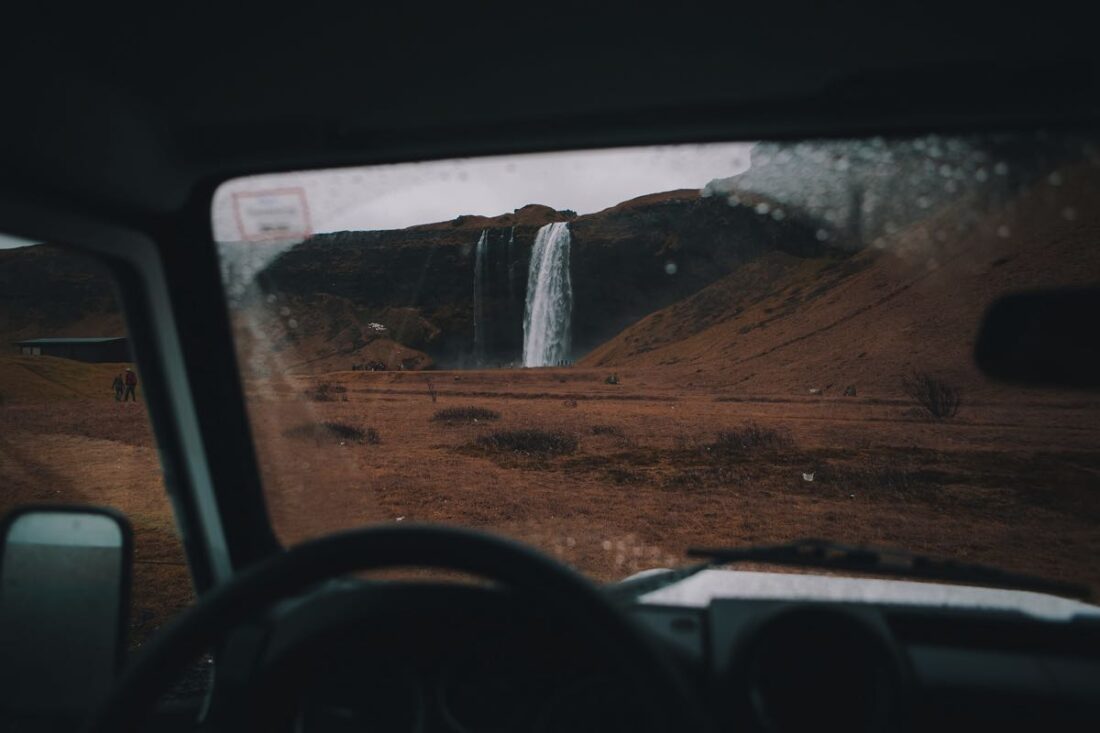
July is peak season, so this is when you should expect some of the highest prices of the year.
The average July car rental in Iceland is roughly US$100 per day, although you’ll sometimes find cheaper small cars if you book well in advance. Larger SUVs, automatic vehicles, and proper 4x4s can cost considerably more.
Book as early as possible if you’re travelling in June, July, or August. Waiting until a few weeks before your trip can really limit both your choices and your budget.
Also, don’t automatically book the absolute cheapest option. In Iceland, I would pay close attention to what’s included with the insurance, particularly coverage relating to gravel and wind damage.
Road Taxes and Tolls in Iceland
This is one area where information online can be confusing because Iceland’s road charging system changed in 2026.
Starting January 1, 2026, Iceland introduced a kilometre-based road charge for all registered vehicles, regardless of whether they’re powered by gas, diesel, electricity, or something else.
For regular passenger vehicles weighing up to 3.5 tonnes, the government rate is currently ISK 6.95 ($.057) per kilometre. Rental companies can also opt for a daily charge, currently set at ISK 1,390 ($11.35) per rental day, rather than charging according to actual distance driven.
It doesn’t sound like a lot, but that $11 per day can add up. Check your rental agreement carefully as the road charge may be added separately to your rental bill rather than being included in the main price you see online.
Iceland also currently has two tolled crossings.
The best known is the Vaðlaheiðargöng Tunnel, just east of Akureyri in northern Iceland. As of March 2026, a normal passenger vehicle costs ISK 2,216 ($18.10) each way, and payment can be made online. There are no traditional toll booths.
There’s also a toll on the newer Hornafjarðarfljót crossing near Höfn, on the southeastern section of Route 1. Click here to learn more about the tolls in Iceland.
Iceland doesn’t have the maze of motorway tolls that you’ll find in parts of mainland Europe, but road charges are definitely something you now need to include in your road trip budget.
Choosing the Best Season for an Iceland Road Trip
Your road trip experience will be completely different depending on what time of year you visit.
Summer: June to August
For a first-time Iceland road trip, summer is definitely the easiest. The days are incredibly long (the sun rises around 3:30am and sets around 11:30pm!), roads are generally in their best condition, and you’ll have access to far more of the country.
July is also one of the best times for tackling Iceland’s famous Highland roads.
Some of these are classified as F-roads, and they usually don’t open until sometime in June or July depending on snow and weather conditions. F-roads require proper 4WD vehicles, and some are much rougher roads than others.
The downside? Summer is the busiest and most expensive season.

Spring and Autumn
May, September, and early October can be fantastic if you want fewer people and lower rental prices.
But there’s a trade-off.
Snow and ice are still possible, Highland roads may be closed, and weather becomes much less predictable. September can be a particularily good time to visit because you might be able to see the Northern Lights!
Winter
Winter in Iceland can be spectacular, but I wouldn’t recommend planning an ambitious road trip unless you’re confident driving in snow, ice, darkness, and strong wind.
Storms can close roads surprisingly quickly.
If your dream trip involves driving the entire Ring Road, I’d choose summer over winter unless you have plenty of extra time built into the itinerary.
The 3 Best Road Trip Routes in Iceland
Here are the best 3 routes in Iceland.
1. The Ring Road
Best for: The ultimate Iceland road trip
Time needed: Around 7 – 14 days
Route 1: better known as Iceland’s Ring Road. this circles almost the entire country.
This is the big one!
You’ll drive past waterfalls, lava fields, glaciers, black-sand beaches, fjords, volcanoes, geothermal areas, and some incredibly remote stretches of countryside.
Highlights include the South Coast, Jökulsárlón Glacier Lagoon, Lake Mývatn, Akureyri, and countless smaller stops along the way.
Technically, you could race around the Ring Road in five or six days, but that’s not recommended.
I’d want at least 8 – 10 days, and ideally closer to two weeks.
One of the best things about Iceland is finding unexpected places along the way. You don’t want every day to feel like you’re racing around the country.
2. Reykjavík to the South Coast
Best for: First-time visitors with 3-5 days
If you don’t have enough time to drive around the whole country, the South Coast gives you an incredible amount of Iceland in a relatively short distance.
From Reykjavík, you can visit waterfalls such as Seljalandsfoss and Skógafoss before continuing towards Vík and Reynisfjara black-sand beach.
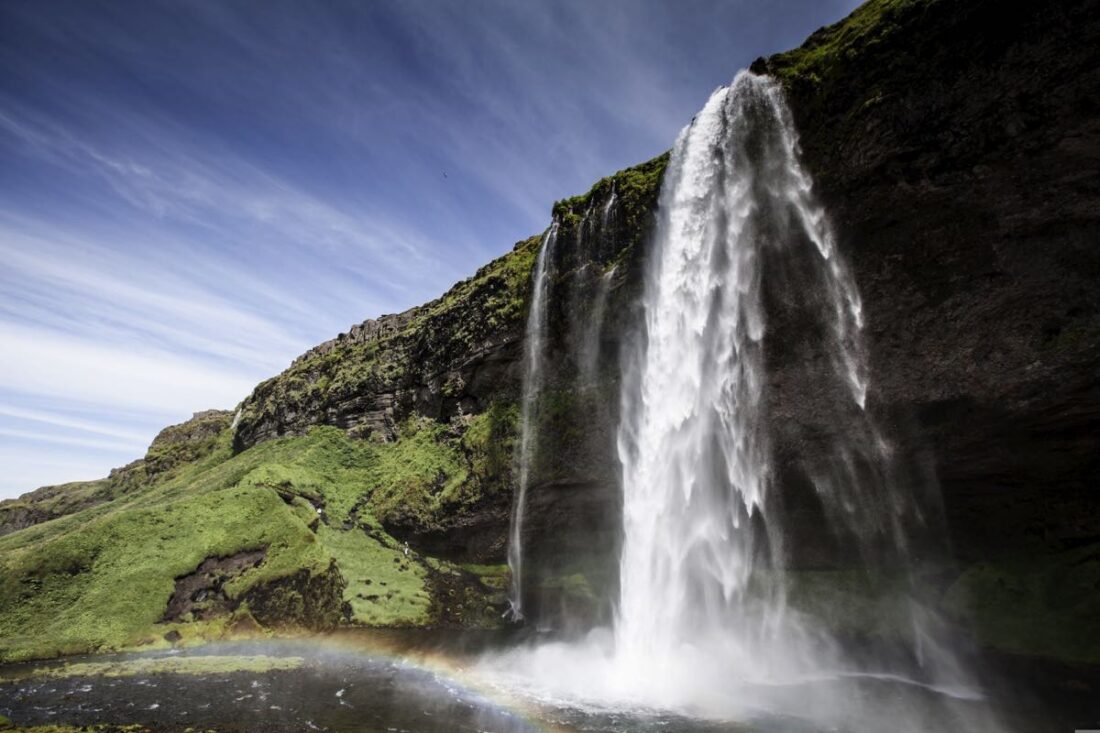
With more time, keep going towards Skaftafell and Jökulsárlón Glacier Lagoon – it’s such a beautiful drive. And because most of the route follows the paved Ring Road, it’s also relatively straightforward during summer.
3. The Golden Circle and Snæfellsnes Peninsula
Best for: A shorter 2-4 day road trip
The Golden Circle is Iceland’s most famous driving route and includes Þingvellir National Park, the Geysir geothermal area, and Gullfoss waterfall.
You could drive the main loop in one day, but combining it with the Snæfellsnes Peninsula makes for a much better mini road trip.
Snæfellsnes is sometimes described as “Iceland in miniature” because there are volcanic landscapes, beaches, fishing villages, lava fields, mountains, and the glacier-capped Snæfellsjökull volcano all packed into one peninsula.
If you only have a few days in Iceland, this combination gives you a taste of the country without spending half your trip in the car.
Do You Need a 4×4 in Iceland?
For most summer trips sticking to the Ring Road, Golden Circle, and South Coast, a normal rental car should be perfectly fine.
If you want to explore the Highlands or drive F-roads, that’s a different story.
Many F-roads legally and practically require 4WD vehicles, and even then, not every 4×4 is capable of handling every route. Some Highland roads involve extremely rough terrain and river crossings (without bridges!).
One really important thing to know: rental insurance generally does not cover damage caused while crossing rivers.
If you’re staring at a river wondering, “Do you think we can make it?” That’s probably your sign to turn around.
Important Things to Know About Driving in Iceland
Driving itself is fairly straightforward, but there are a few Iceland-specific things you’ll want to know.
The standard speed limit on much of Route 1 is 90 km/h, and headlights must be on at all times – day or night, summer or winter.
You’ll also come across lots of gravel roads. Slow down before transitioning from pavement to gravel, especially around corners.

There are also one-lane bridges, mostly outside the more populated areas. Slow down and allow whichever vehicle reaches the bridge first to cross.
And watch out for sheep! They often wander close to the road and can suddenly run across it.
Wind is another surprisingly big issue in Iceland. Strong gusts can literally damage a car door if you fling it open into the wind. If it’s extremely windy, park facing into the wind when possible and hold onto the door firmly when opening it.
Finally, never just stop your car in the middle of the road because you’ve spotted an amazing view. I know it’s tempting, but find a proper pull-off first.
Check Road and Weather Conditions Every Day
This is probably the most important habit to get into during an Iceland road trip.
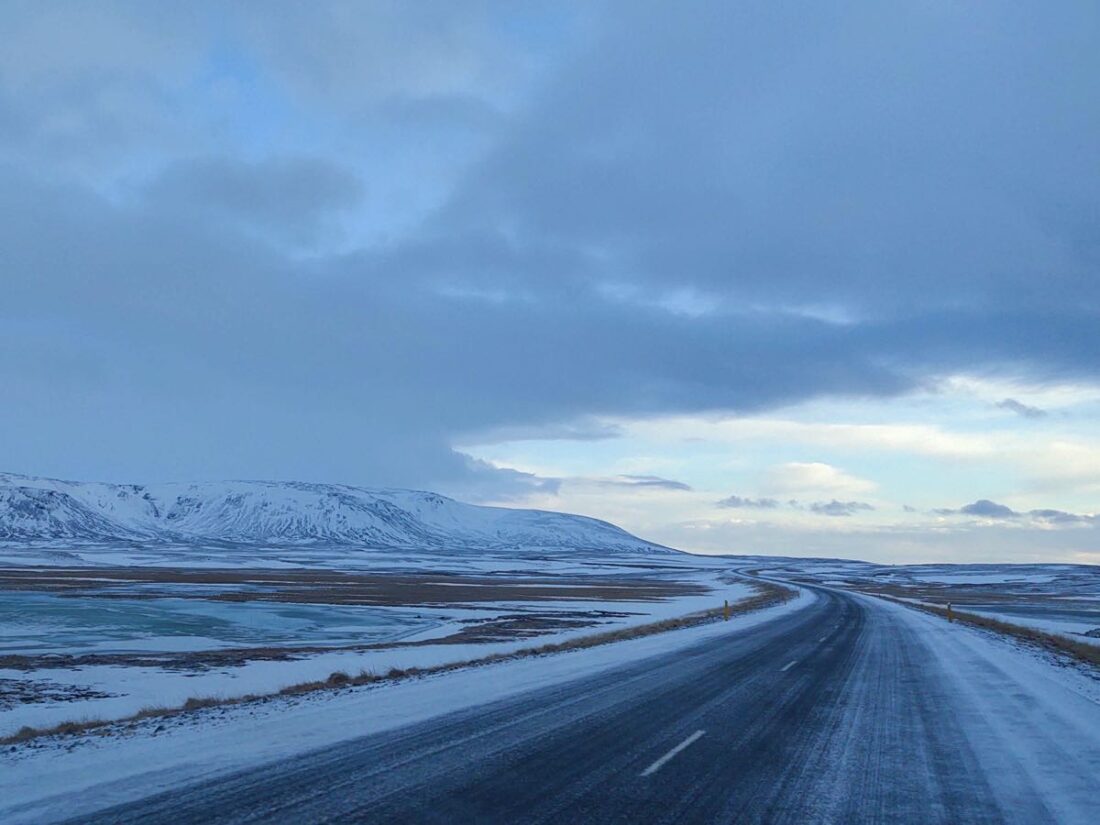
Check the weather and current road conditions every morning, even if the skies outside look perfectly fine. Conditions can be completely different 100 kilometres away.
SafeTravel specifically recommends adjusting your driving according to current road and weather conditions, and winter-like conditions can appear outside the actual winter months.
You may have planned to drive east and end up going west because of the weather – and chances are, you’ll still have an incredible day.
So, keep your itinerary flexible…which is part of the fun of travelling around Iceland.
Is Renting a Car in Iceland Worth It?
Absolutely!
A rental car isn’t the cheapest way to see Iceland, particularly during July and August, but I think the freedom it gives you is worth the extra cost.
Some of our favourite travel memories have come from road trips where we had total freedom to stop when we wanted, leave when we wanted, and change our plans as needed.
Iceland is basically made for that kind of travel.
Give yourself enough time, don’t try to cram too many kilometres into each day, keep an eye on the weather, and leave room in your itinerary for spontaneous stops. In Iceland, the places you didn’t plan on visiting may just end up being the highlight of the trip.
The post Renting a Car in Iceland: Everything You Need to Know for an Epic Road Trip appeared first on Goats On The Road.